
Foot and Ankle Unit
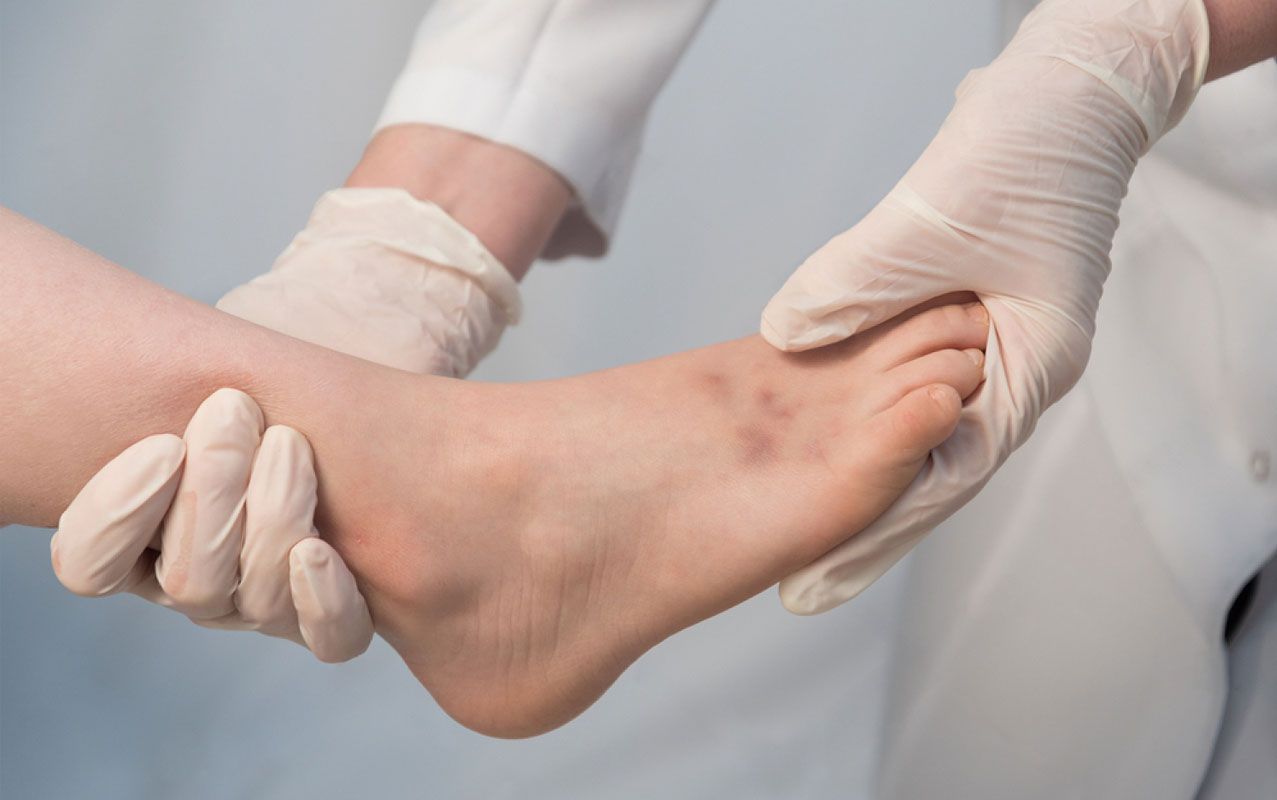
The Foot and Ankle Unit stands out for its high degree of professionalism and clinical excellence. The unit is highly specialized in arthroscopic surgery and advanced surgical procedures of the forefoot and hindfoot, as well as in percutaneous surgery, where the professionals of the unit have established themselves as a national reference.
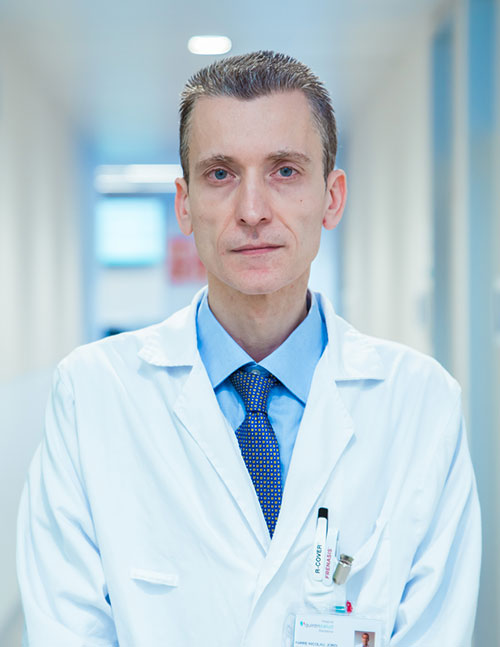
Staff at the Unit

Most common pathologies and interventions performed by the Foot and Ankle Unit
Foot and Ankle Injuries
Hallux valgus
Hallux rigidus
Hammer toe
Metatarsalgia
Astragalus fractures
Calcaneal fractures
Flat valgus foot
Ankle fractures
Achilles tendinopathy
Hanglund’s disease
Peroneal tendon injury
Ankle instability
Scaphoid necrosis
Os trigonum
Plantar fasciitis
Advanced foot and ankle treatments
Most common foot and ankle pathologies and interventions performed by the members of the Unit.
Ankle arthroscopy
Foot and ankle arthroscopy is a minimally invasive surgical technique that allows the diagnosis and treatment of various pathologies in these joints by introducing a high definition camera (arthroscope) and specialized tools through small incisions. The main indications for foot and ankle arthroscopy include cartilage and osteochondral lesions, removal of intra-articular free bodies, treatment of chronic synovitis, management of joint instability and repair of ligamentous lesions among other indications.
Hindfoot osteotomies
Hindfoot osteotomies are key procedures in the correction of complex foot deformities, such as flatfoot or severe varus, allowing bony realignment and redistribution of loads in the foot. These interventions are especially effective in cases of posterior tibial tendon dysfunction and in the treatment of acquired flatfoot in adults, providing lasting structural support and improving the overall biomechanics of the foot.
Ligamentous plastias in instability
Ligament plasty in the treatment of chronic ankle instability offers an effective solution to restore joint stability. These techniques aim to reinforce or reconstruct the affected lateral ligaments, improving function and reducing the risk of recurrent sprains and long-term osteoarthritis. This approach is especially useful in patients with chronic instability and in athletes who require optimal stability for return to activity.
Diabetic foot
Treatment of the diabetic foot is multidisciplinary and focuses on the prevention and management of ulcers, infections and deformities that can lead to amputation. Early intervention with advanced techniques, including debridement, offloading and the use of orthotic devices, is essential to reduce complications. Regular monitoring and a comprehensive approach help preserve function and improve the diabetic patient’s quality of life.
Percutaneous forefoot surgery
Percutaneous forefoot surgery is a minimally invasive technique used to correct deformities such as hallux valgus, claw toes and metatarsalgia. This procedure reduces tissue trauma, reduces postoperative pain and allows for a faster recovery. It is a particularly attractive option for patients seeking an aesthetic and functional correction with less recovery time and fewer complications.
Tenoscopies
Tenoscopies are minimally invasive procedures indicated for the diagnosis and treatment of tendon pathologies of the foot and ankle, such as tendonitis and partial ruptures. By allowing direct visualization of the tendon, tenoscopies facilitate precise and effective interventions, promoting rapid recovery and reducing the risk of postoperative adhesions. This procedure is especially useful in cases of sports injuries and in the management of chronic pathologies.
Treatment of cavus foot
Treatment of cavus foot focuses on correcting the abnormal architecture of the high arch, which involves bony restructuring techniques, soft tissue adjustments and, in some cases, the use of specific orthoses. Depending on the severity and symptoms of the patient, osteotomies, tendon transfers or tissue releases may be performed, improving function, stability and comfort by reducing the risk of associated injuries and chronic pain.
Further information
On this page of the American Academy of Orthopaedic Orthopaedic Surgery (AAOS) you will find relevant information on the most common pathologies treated in Orthopaedic Surgery*.

*Free access. Information in English. Dr. Samitier is an international member of the AAOS and a member of the AAOS Sports Medicine Committee since 2017.
Also be sure to visit ORTHOPEDIA, Orthopedic Surgery Education.
